Smart robotics
AI-driven robotic systems that can sense, move, and respond safely inside real healthcare environments.
Quantflow · Robotics AI for Healthcare
A short introduction to Quantflow: the robotics AI systems we build, and how they help doctors, clinicians, and care teams deliver safer, more reliable healthcare.
01 OVERVIEW
Healthcare cannot afford AI that is unreliable or unsafe. Quantflow builds robotics AI from the ground up to meet the standards that hospitals and clinics require.
What we do
Quantflow builds AI-powered robotic systems designed specifically for healthcare — from hospital assistance to diagnostic support and clinical automation.
Why it matters
Healthcare needs technology that is safe, dependable, and easy to trust. Our robotics AI is built to reduce errors, save clinicians time, and support better patient outcomes.
Where it goes
Our technology supports hospitals, clinics, and care facilities, helping robots and AI systems work safely alongside doctors, nurses, and patients.
02 RESEARCH
One shared platform powers everything we build: robotics and AI designed together, so systems stay safe, predictable, and easy for care teams to trust.
We optimize for methods that work in real hospitals and clinics, not just in demos, because healthcare only accepts technology that performs under real conditions.
AI-driven robotic systems that can sense, move, and respond safely inside real healthcare environments.
Machine learning models trained to support diagnostics, patient monitoring, and clinical decision-making.
Every system is built to the strict safety and reliability standards that real-world healthcare use demands.
Technology designed to assist doctors and care teams, not replace them, keeping people in control at every step.
03 APPLICATIONS
01
Robotic assistants that support hospital staff with delivery, monitoring, and routine tasks, freeing up time for patient care.
02
AI tools that help clinicians analyze data faster and more accurately, supporting confident medical decisions.
03
Robotics AI that supports remote monitoring and elderly care, helping people stay safe and independent at home.
Live field captures from partner labs - motion, contact, and uncertainty made visible.
04 STATUS
Now
01Developing and testing our robotics AI platform with a focus on safety, accuracy, and real-world performance.
Next
02Partnering with hospitals and clinics to pilot our technology in real healthcare settings.
Then
03Scaling our robotics AI solutions to more healthcare providers and care environments.
05 TEAM
Core platform
Leads development of our core robotics AI systems and machine learning models.
Hardware & control
Designs and builds the robotic hardware and control systems used in healthcare settings.
Clinical safety
Ensures our AI systems meet healthcare and clinical safety standards.
Deployment
Turns research and prototypes into reliable, deployable healthcare technology.
06 ADVISORS

Robotics and machine learning research
University research group
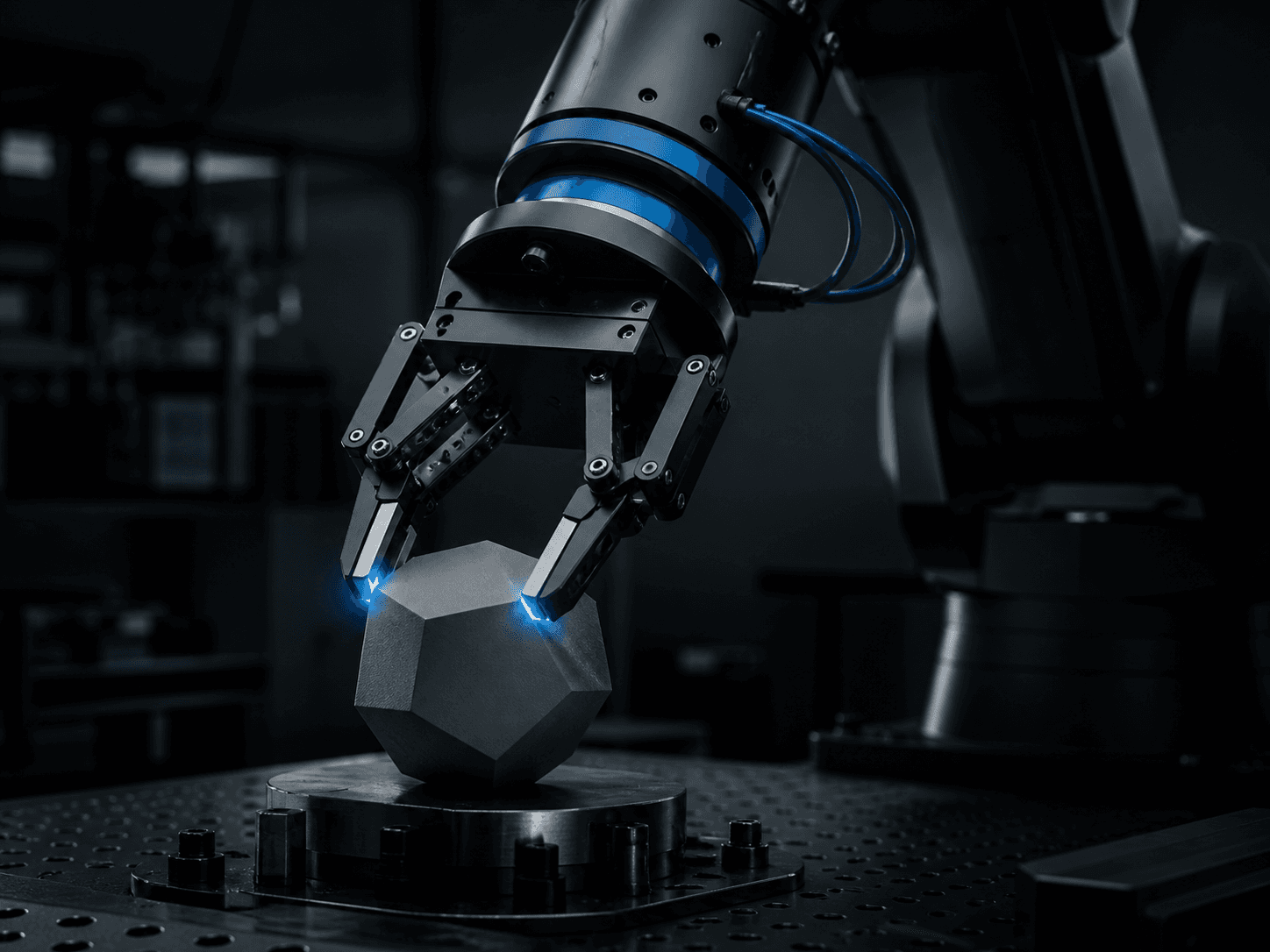
Medical robotics and automation
Robotics laboratory
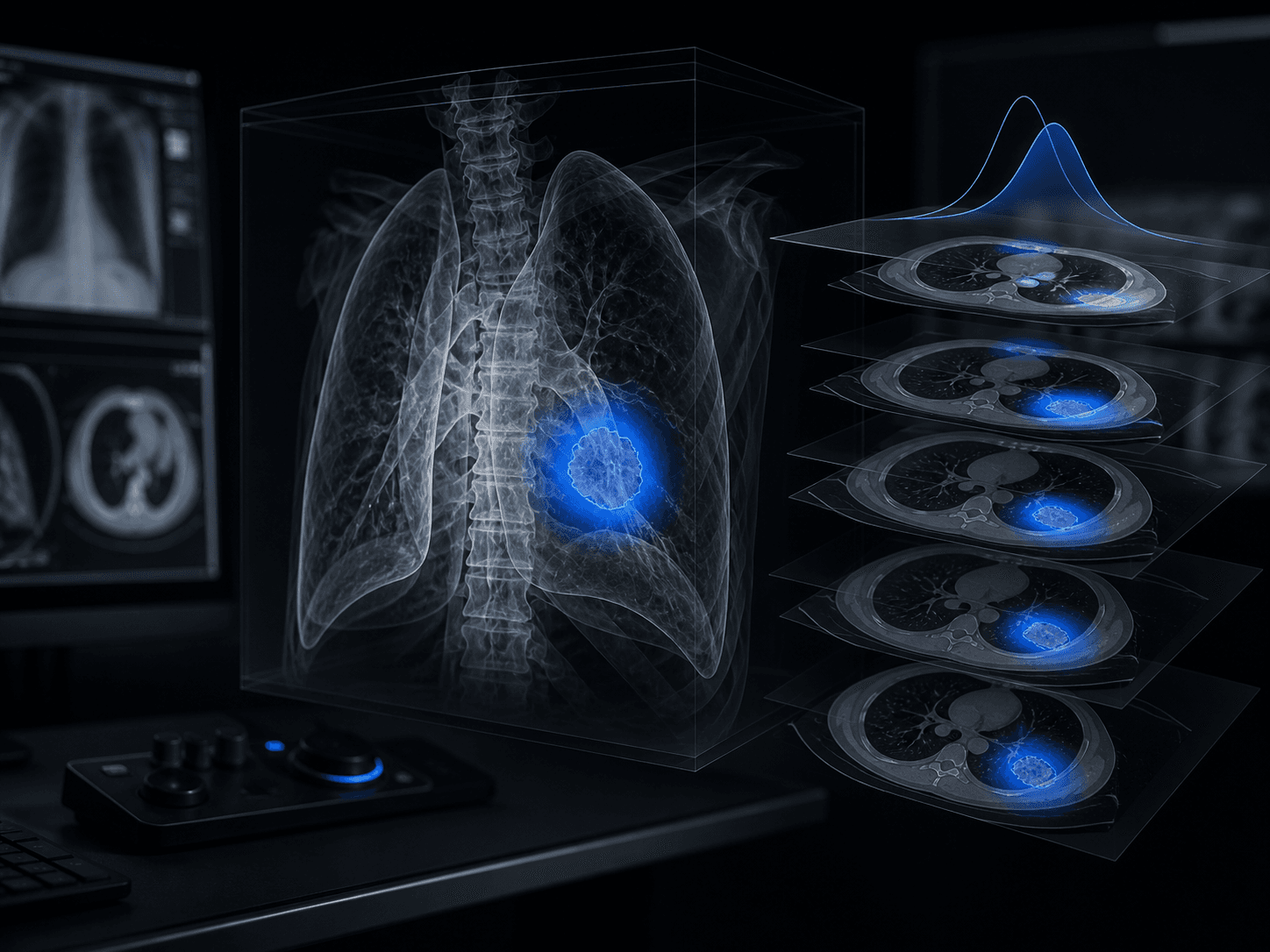
Clinical safety and healthcare AI
Medical research institute
Connect
Hospitals, healthcare providers, and investors: if you are interested in robotics AI built for healthcare, we would like to hear from you.